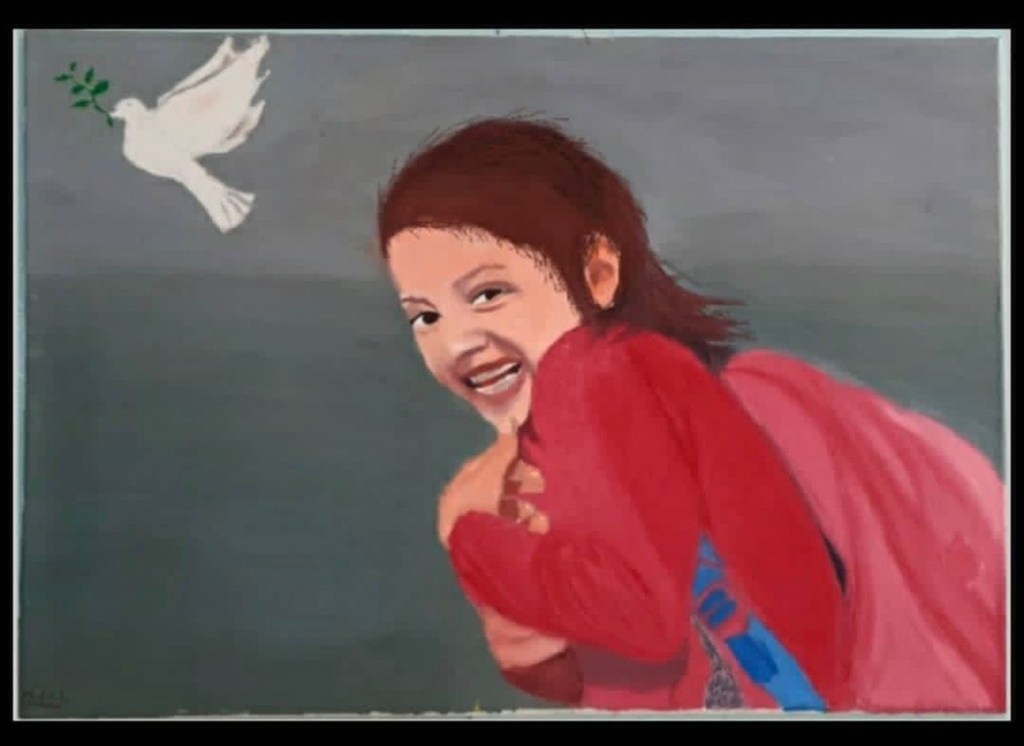
Colors of Emission from the Rubble: The Ash of Beginnings
The Success Story of Adil Hussein Murad
In the summer of 2014, the sun did not set in its usual golden hue; instead, it vanished behind a thick, black shroud of smoke and terror. Adil, a young man barely seventeen years old, fled with the memories of his small studio in Sinjar etched in his heart. In his hand, he clutched a small bag—not filled with clothes, but with a few sheets of white paper and a carefully sharpened pencil.
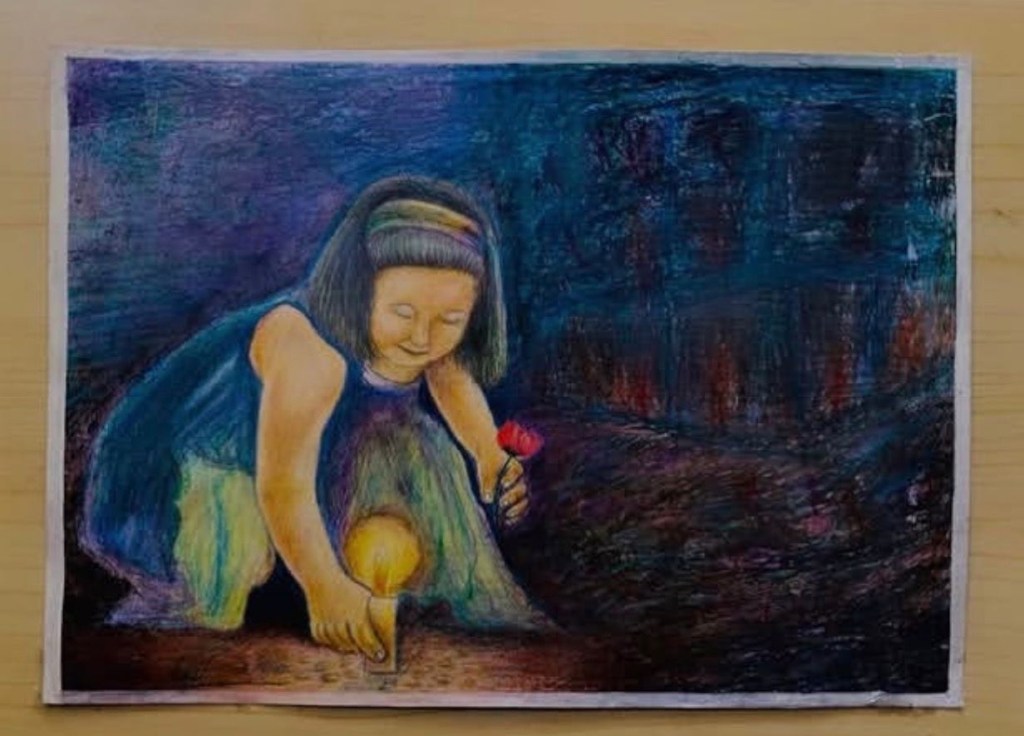
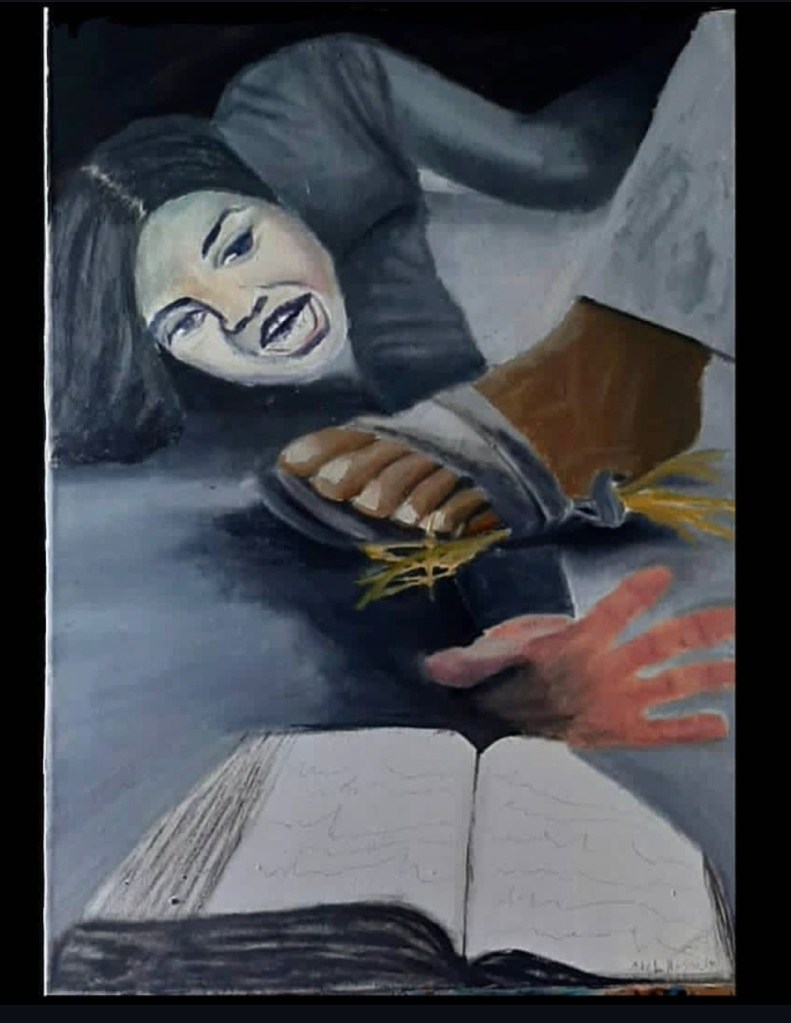
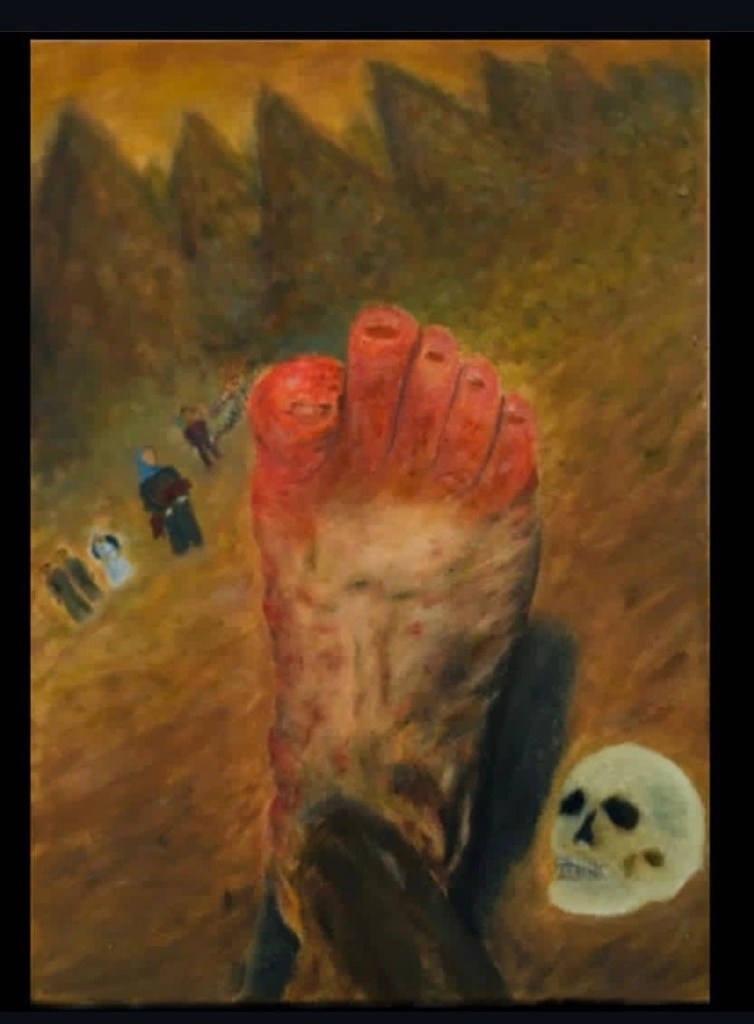
The displacement was a harrowing journey between life and death, eventually leading Adil to a tattered tent in the Shariya camp. There, amidst the moaning winds that swept through the rows of tents, Adil sat on the bare earth. He looked at the frayed fabric of his shelter and saw it not as a cage, but as a blank canvas waiting for a scream. In those early days, his drawings were somber and pale, dominated by tired faces and eyes haunted by heartbreak. He drew to pour out his agony; the pencil was his only weapon against oblivion.
The Triple Pillar of Resilience: The Brush, the Book, and the Human
Adil refused to let the tent be his final destination; instead, he made it his launchpad. He established a personal constitution built on three pillars: Education, Volunteer Work, and Art.
In Education: He studied by the flickering light of a candle or under the camp’s streetlights, fueled by the belief that his degree was the only bridge that would carry him over the camp walls.
In Volunteer Work: Adil did more than just paint his own suffering—he began to erase the suffering of others. He joined volunteer teams, assisting displaced children and organizing community events. He discovered that giving provided him with an energy that isolation never could.
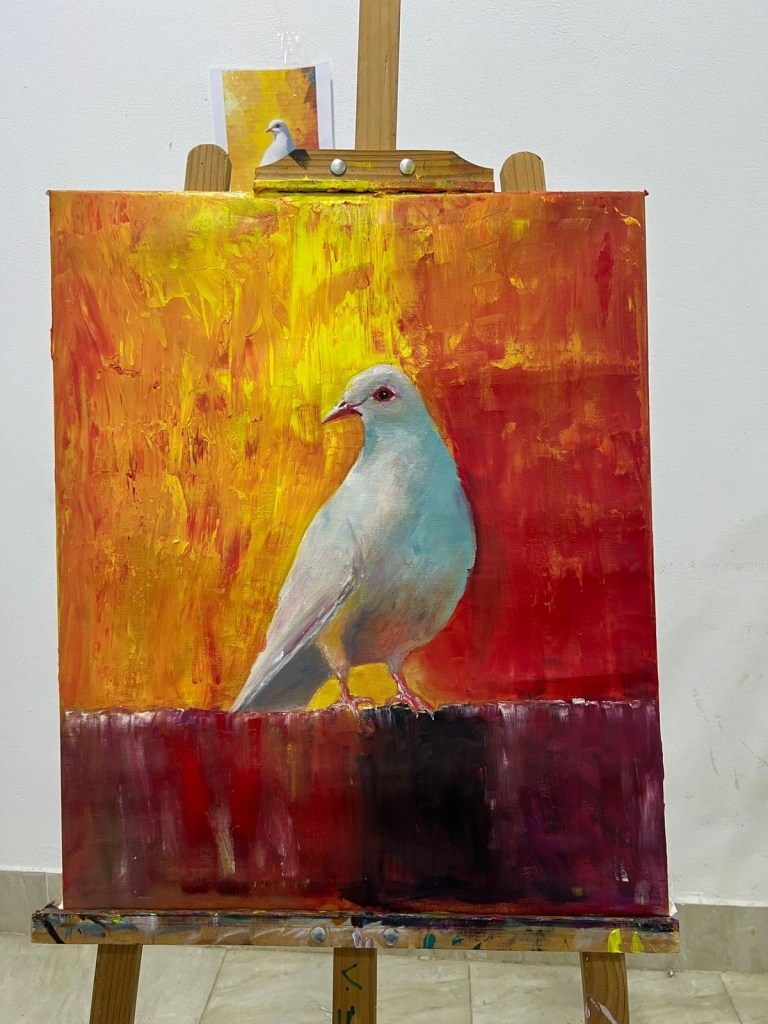
In Art: His brush evolved from “documenting grief” to “documenting hope.” He began blending vibrant colors into the gray ash, sending a message to the world: “We are here, and we still dream.”
He was constantly in motion—running from the classroom to the volunteer tent, then returning late at night to paint until his hand grew weary. Hard work was his only anesthetic against the memories of loss.
The Icon of Change
Years passed, and Adil became an icon within the camp. His paintings were no longer confined to a torn tent; they moved into local galleries and eventually onto the national stage. Every canvas he painted told the story of a survivor and a dream that refused to die under the rubble. Adil became a voice for the voiceless, translating the suffering of minorities into an artistic language understood by all.
Through sheer persistence, he graduated from university with honors, transforming his psychological hardships into scientific knowledge and refined art. The displaced young man was no longer a “victim,” but a leader managing youth projects aimed at peacebuilding and coexistence.
The True Meaning of Success
Today, when Adil visits Sinjar or walks through the streets of Duhok, people do not see him merely as a survivor of war, but as an artist and a changemaker. The torn tent where he started has become a symbol of the power of will.
Adil succeeded in opening the “door” he once dreamed of—not just to express suffering, but to prove that creativity is born from the womb of pain. The brush that did not break in 2014 is the same one now drawing the map of the future for the next generation.
Adil used to paint wounds to turn them into scars of pride. Today, he colors the sky to prove that the sun always rises, even through the holes of a tent.
ألوان الانبعاث من تحت الأنقاض
( رماد البدايات )
قصة نجاح ( عادل حسين مراد )
في صيف عام 2014، لم تغرب الشمس بشكل طبيعي؛ بل غابت خلف غيمة سوداء من الدخان والخوف. كان عادل، الشاب الذي لم يتجاوز ربيعه السابع عشر، يركض حاملاً في قلبه ذكريات مرسمه الصغير في سنجار، وفي يده حقيبة لم تتسع إلا لبضع أوراق بيضاء وقلم رصاص مبريّ بعناية.
كان النزوح رحلةً بين الموت والحياة، انتهت بعادل أمام خيمة ممزقة في مخيم “شاريا”. هناك، حيث تئن الرياح بين أروقة الخيام، كان عادل يجلس على الأرض الترابية، ينظر إلى قماش الخيمة المهترئ ويرى فيه لوحةً بيضاء تنتظر الصراخ. في تلك البدايات، كانت رسوماته حزينة، باهتة، تغلب عليها ملامح الوجوه المتعبة والعيون التي سكنها الانكسار. كان يرسم ليفرغ وجعه، فكان القلم سلاحه الوحيد ضد النسيان.
ثلاثية الصمود (الريشة، الكتاب، والإنسان)
لم يرضَ عادل أن تكون الخيمة نهايته، بل جعلها منطلقاً. وضع لنفسه دستوراً ثلاثي الأضلاع: الدراسة، العمل التطوعي، والرسم.
في الدراسة: كان يذاكر على ضوء شمعة خافتة أو تحت ضوء أعمدة الإنارة في المخيم، مؤمناً أن الشهادة هي الجسر الوحيد الذي سيعبر به فوق جدران المخيم.
في العمل التطوعي: لم يكتفِ عادل برسم معاناته، بل بدأ يمسح معاناة غيره. انضم للفرق التطوعية، يساعد الأطفال النازحين، يوزع الحصص، وينظم الفعاليات. اكتشف أن العطاء يمنحه طاقة لا تمنحها له العزلة.
في الرسم: تحولت ريشته من “التوثيق للحزن” إلى “التوثيق للأمل”. بدأ يدمج ألواناً زاهية وسط الرماد، ليرسل رسالة للعالم: “نحن هنا، وما زلنا نحلم”.
كان يركض طوال الوقت؛ من قاعة الدرس إلى خيمة المتطوعين، ثم يعود في الليل ليرسم حتى تكلّ يده. كان العمل الشاق هو مخدره الوحيد ضد ذكريات الفقد.
مرت السنوات، وأصبح عادل “أيقونة” في المخيم. لم تعد لوحاته حبيسة الخيمة الممزقة، بل بدأت تخرج إلى المعارض المحلية، ومن ثم الوطنية. كل لوحة رسمها كانت تحكي قصة ناجٍ، وقصة حلم لم يمت تحت الأنقاض. أصبح عادل صوتاً لمن لا صوت لهم، يترجم معاناة الأقليات بلمسات فنية تفهمها كل اللغات.
بفضل إصراره، استطاع إكمال دراسته الجامعية بتفوق، محولاً معاناته النفسية إلى مادة علمية وفن راقٍ. لم يعد الشاب النازح “الضحية”، بل أصبح “القائد” الذي يدير مشاريعاً شبابية تهدف لبناء السلام والتعايش.
انه قصة النجاح
اليوم، عندما يزور عادل سنجار أو يتجول في دهوك ، لا ينظر إليه الناس كشاب نجا من الحرب فحسب، بل كفنان وصانع تغيير. الخيمة الممزقة التي بدأ تحتها، أصبحت الآن رمزاً في ذاكرته لقوة الإرادة.
استطاع عادل أن يفتح “الباب” الذي حلم به؛ ليس فقط ليعبر عن المعاناة، بل ليثبت أن الإبداع يولد من رحم الألم، وأن الريشة التي لم تنكسر عام 2014، هي اليوم التي ترسم خارطة المستقبل للأجيال القادمة.
“لقد كان عادل يرسم الجراح ليحولها إلى ندبات فخر، واليوم يلون السماء ليثبت أن الشمس تشرق دائماً، حتى من ثقوب الخيام
 Site Title
أضف تعليق